
Panic Attacks In Children
Panic Attacks In Children
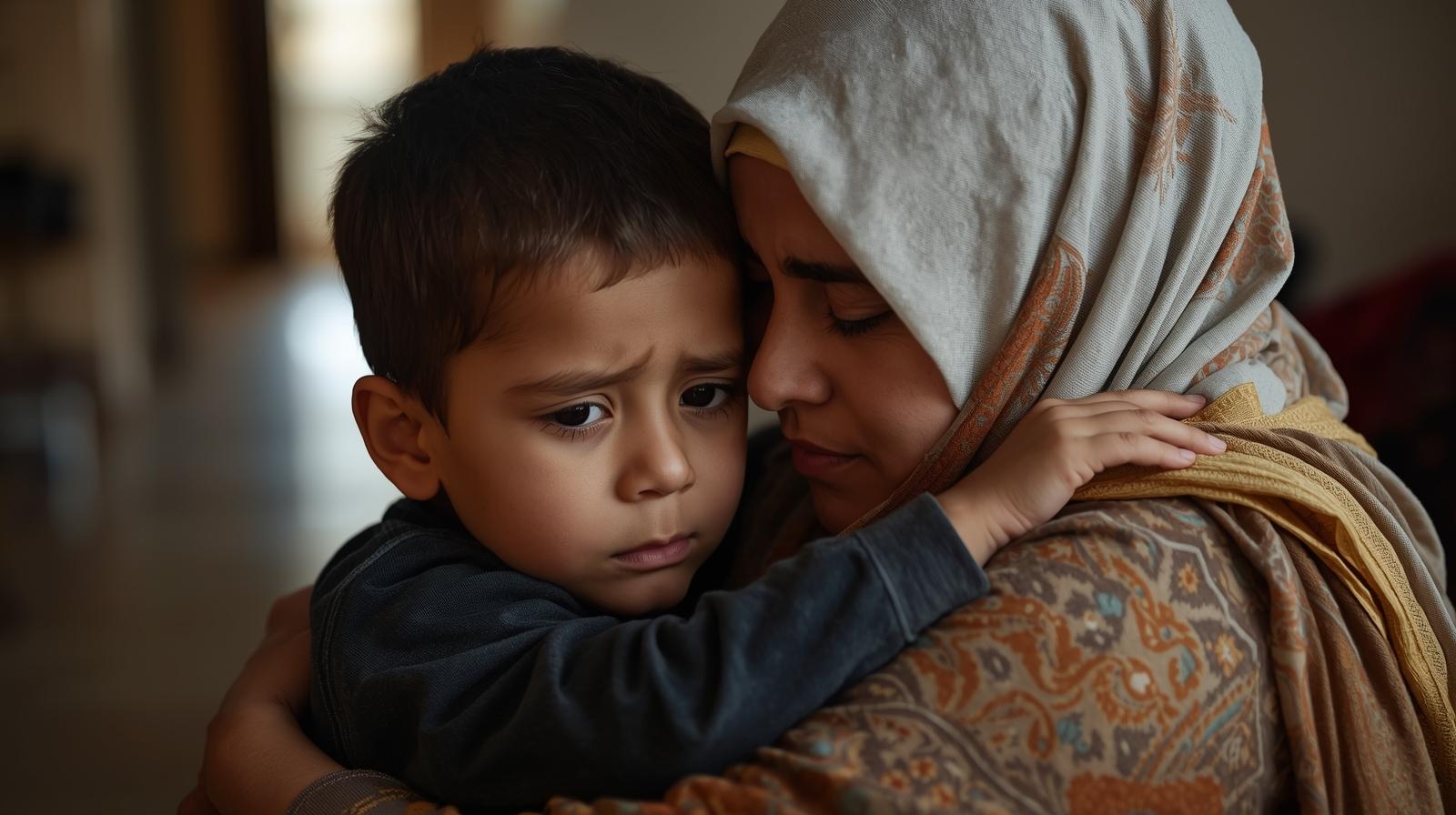
This article is about how to help a child with a panic attack.
What is a Panic Attack?
A panic attack is a sudden, intense wave of fear and anxiety that often feels uncontrollable.
Some panic attacks last for up to 30 minutes, but most only last less than 10 minutes.
They feel terrifying – like the room is collapsing on you, like you’re having a heart attack, or like you’re dying. Children may feel a fast heart, shivering, shaking, feeling dizzy, sweating, not being able to concentrate. What these children feel is not just in their own minds, but is the result of real changes in their hormones and nerves that control how their brain and body’s organs react to the world.
What should you do when your Child is having a Panic Attack?
Stay with the child the whole time.
Talk in a calm, soothing voice.
Acknowledge that it’s scary and feels awful: Don’t say that ‘it’s okay’, ‘it’s not really happening’ or minimise what they’re going through. Their body is going through real changes, and they may be worried that they are dying, so it’s important to acknowledge how bad they’re feeling, but tell them that it will go away soon.
You can say “I know you feel scared and overwhelmed. It will go away in 10 minutes. I am going to stay with you the whole time and we’ll breathe together.”
Explain to them what’s happening. You can tell them that their health is okay and that this is a temporary panic attack. Depending on their age, you can say it’s because their brain is stressed about being in danger.
Some children might feel like they’re dying, especially if they’re experiencing a panic attack for the first time, so it’s important to reassure them that this will pass in a few minutes.
Breathing through a Panic Attack
Rather than instructing them to slow down their breathing, encourage them to pay attention to each breath one by one. Breathe together with them. Follow a pattern of breathing in through the nose for three seconds, hold the breath for two seconds, and exhale completely for three seconds. Encourage them to notice their chest rise and fall, and to feel the rush of air on their nostrils and lips.
Senses: it can be helpful to use the 5 senses to distract the brain during a panic attack. Try and find some small objects with a special texture, like a rough stone, a piece of fabric, a toy or a set of keys. Place this in your child’s hand and ask them to describe how it feels.
If it is safe, you can also ask them to notice things around them that they can see, touch, taste and smell and to describe them.
What should you do after?
It can feel like an eternity when you’re seeing your child go through a panic attack. Make sure to be kind to your child and yourself and rest afterwards.
Afterwards, teach them about what panic attacks are so that they know how to manage it next time it happens.
For example, they can identify which statements were most helpful to hear during their panic attack, or which objects were most comforting to have near them.
The information from this article was sourced from SeattleChildrens, RaisingChildren, MSDManuals, CHOC, SydneyChildren’sHospital
Useful Links
https://www.seattlechildrens.org/conditions/a-z/panic-attack/
https://raisingchildren.net.au/guides/disasters-preparation-support/phobias-panic-attacks-pts
https://health.choc.org/no-need-to-panic-how-to-help-your-child-during-a-panic-attack/
https://www.schn.health.nsw.gov.au/anxiety-and-anxiety-disorders-factsheet