
Our Periods: Understanding our Bodies
Our Periods: Understanding our Bodies
Key Takeaways
- Periods are a healthy cycle of life, a way to connect with our bodies, and a way to connect with our communities.
- Many cultures around the world have celebratory, positive traditions around periods, such as “period parties” to acknowledge this rite of passage, traditional gifts, and traditional foods to replenish energy and iron.
- Some of us may have inherited shame about our body and periods. We can be aware of this and consider what messages we want to continue to hold and what we want to choose to pass on to the next generation.
- Parents can normalise periods for their family by talking openly about them before they start. Support for young girls can include preparing a first period kit for their school bag
- Severe pain, heavy bleeding or other symptoms that interfere with daily life should be discussed with a healthcare professional. You should be able to enjoy life, attend work, attend school and participate in sport even on your period.
What is a period?
The significance of periods differs depending on who you are and your personal experience.
Periods may be celebrated as part of our capacity to create life. They are the cyclical rhythm of our bodies. They can also be the messenger who tells us when we are too stressed or not eating well.
In medical terms, a period is called “menstruation” and is one part of the “menstrual cycle”. Biologically, every month (any time between 21 to 35 days is normal), your uterus sheds its old lining and creates a fresh, new lining. The old lining is released as blood and small clots through your vagina (usually bleeding lasts for an average of 3 to 7 days).
What organs are involved in the menstrual cycle?
Periods are a great example of many body systems in harmony – your brain, nutrition absorption, ovaries and uterus working very well together.
Some body parts that are involved in menstruation include the:
- Uterus – the uterus or “womb” is an organ shaped like a pear fruit, and is located in the pelvis. During pregnancy, the uterus is where your baby develops.
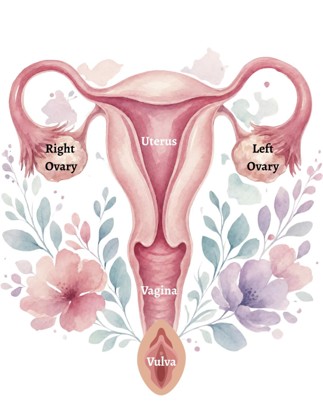
- Ovaries – you have two ovaries on either side of the uterus, and usually they take turns producing an egg during the menstrual cycle.
- Cervix – the cervix is the lower, narrow part of the uterus. It has a small opening that connects the uterus to the vagina. Period blood passes through the cervix when leaving the body.
- Vagina – the vagina is an internal canal that connects the cervix to the outside of the body. Period blood leaves the body through the vagina.
- Vulva: the vulva is the part of your genital area that you can see – it includes the labia (folds of skin), clitoris, urethral opening (where your urine comes from), and vaginal opening
What happens during your period?
The menstrual cycle has 4 phases: it starts on the days you have your period, then you have a follicular phase (where the egg starts to grow), then the ovulation phase (where the egg is released from the ovary and where you’re most likely to have a baby), and the luteal phase (where the body prepares the uterus in case pregnancy occurs).
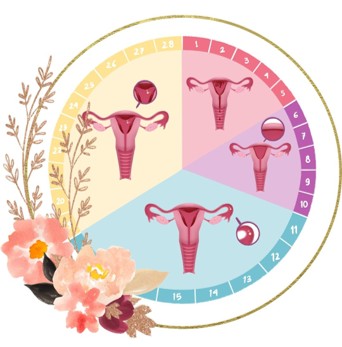
For more information about the cycle, please refer to this article from our Partner organisation, Jean Hailes.
What can a normal period look and feel like?
A period involves blood coming out of your vagina. At the start of your period, the blood is typically bright red but can turn dark brown towards the end. The bleeding is also often heavier during the first few days and becomes lighter towards the end
It can be normal to see small blood clots. It is also normal for periods to have a mild or distinct smell.
Some people may also experience the following physical and emotional symptoms before or during their period:
- Cramping pelvic discomfort
- Mild lower back discomfort
- Bloating
- Tender breasts
- Constipation or diarrhoea
- Mood changes, irritability or teariness
- Change in acne
Some women find that rest, heat packs, warm baths, gentle movement or pain-relief medicines help manage their period symptoms and that they can do their normal activities. Period symptoms should not regularly stop you from living your daily life such as attending school or working, sleeping, exercising or spending time with others. Speak to a doctor or other health professional if your symptoms are severe, difficult to manage or affecting your daily life.
Cultural celebrations around the world
Cultural and family celebrations
Periods can have different meanings in different families and communities. For some families, a girl’s first period may be considered an important stage of growing up. For others, it may be treated quietly and privately rather than marked as a particular celebration.
A period can represent:
- The body growing and changing
- Connection with other women and girls
- New knowledge and responsibility
- The cyclical nature of the body and how the body is part of the larger harmony in nature
- An opportunity for rest and self-care
Some women appreciate the cyclical nature of their periods and see it as a reminder to slow down, rest or reconnect with their bodies. Others may experience pain, heavy bleeding or difficult emotions and may not feel positively about their periods.
There is no correct way to feel. A person can respect their body while still finding periods inconvenient, uncomfortable or difficult. However, please know that professional support is available and should be sought out if periods are affecting your quality of life.
Some cultures and families have traditionally viewed a girl’s first period as a sign that she is ready for marriage. This is an outdated belief. A first period is simply a normal part of growing and developing, and does not mean that a girl is ready for marriage, pregnancy or adult responsibilities.
Celebrating a first period
A girl’s first period can be an important milestone. A warm and reassuring response can influence how they feel about their body and periods for many years.
Some families choose to acknowledge the first period with:
- a special meal
- chocolates or dates
- a period care package
- gifts
- a day out together
- a gathering with trusted women and girls
- a family celebration
- a private conversation and words of encouragement
For example, in some families, a girl’s first period may be celebrated with a girls-only party. Her mother would invite all her aunties and female family members who have and they would all congratulate her, share delicious sweets, and gift her new underwear, pads, chocolates, and nutrient-dense dates.
In some families, the girl may be welcomed into conversations described as “women’s business” or “women’s secrets”. She may feel included in this shared knowledge and feel a new special connection with the other women in her family. Some teenage girls in Arab cultures look forward to when this day happens as it feels like a great privilege and “coming of age”.
Cultural traditions can be both similar and diverse
Although many communities share similar ways of supporting people through menstruation, traditions, and experiences can vary greatly between cultures, families and individuals.
When my sister got her period first, I was so jealous! She got so much attention from my aunties and they looked like they were sharing so many secrets. I desperately wanted my period to come as soon as possible so that I can be a “woman” too. I saw my sister get so much love to manage the pain, get cultural advice about acne and breast tenderness and go shopping for pads with the glamorous, older women. I couldn’t wait for my period to come! –
Iraqi Community Member
In Iran, girls are really supported around the time of their periods. Their mum would exempt them from housework and let them rest or change the diet of the whole family to include more iron-rich foods.
Iranian Community Member
My friends and I supported each other around our periods. Girls would tie a jumper around a friend’s waist or cover a stained skirt if needed. It was a beautiful act of solidarity and kindness, especially in a culture that was mostly silent about periods.
Indonesian Community Member
In Indonesia, there is a paid 2 day / month menstrual leave for women. That’s a really positive thing.
Indonesian Community Member
Overcoming shame and silence
Many of us learn about menstruation through our families. Along with helpful practical advice, some families may pass down different beliefs about periods. Some women grew up being told that periods were embarrassing, shameful or something that must always be hidden.
They may have been discouraged from using the words “period”, “vulva” or “vagina”, shamed from looking at their vulva, discussing periods around males or seeking help for pain or mood changes. They may have also been made to believe that severe pain is just a normal part of femininity.
Quotes from community members:
- “I was taught to never mention a period in front of a boy or man.”
- “I was taught that monthly, severe pain is just the punishment for being a woman. It’s just something that you have to live with.”
- “I remember being so scared when I got my first period that I didn’t even tell my mum. There was very little information or open communication about menstruation. We didn’t have access to sanitary pads, so we used cloths, washed them and reused them. Looking back, it was a difficult and confusing experience.”
These messages may have been passed down by parents or grandparents who were also taught to feel shame or fear about their bodies. They may have been trying to protect modesty, privacy or family values using the knowledge they had at the time. It is possible to respect privacy and modesty without teaching shame.
Beginning intergenerational healing
Adults can reflect on messages they received while growing up.
Consider asking yourself:
- What was I told about periods?
- Which messages helped me? Which messages caused fear, confusion or shame?
- What would I like to do differently with the next generation?
Intergenerational healing does not require blaming parents, other family members or your community. It involves recognising that some messages may not be helpful and choosing a healthier, more positive way forward.
Reconnecting with your body
Some adults feel uncomfortable looking at or naming their genital area. They may not know what their own vulva looks like or may feel a strong sense of shame when discussing reproductive health.
Learning about your body is not disrespectful or immodest. It can help you notice changes, explain symptoms, care for your health and feel more confident during medical appointments.
Start slowly and choose what feels safe. You may wish to:
- Learn the correct names for different body parts without looking at any images
- When you are ready, look at a medically accurate cartoon diagram
- Practice saying health words without apologising
- Write down questions before visiting a doctor
- When you are ready, consider looking at a photo of a vulva or vagina
- When you are ready, consider seeing your own anatomy so that you know what’s normal for you
Please do what you feel comfortable with and do not feel the need to force your body through any of the steps. You can take years to go through these steps if you would like to.
How to talk about periods with your child
Periods, like hair growing, are a normal part of life.
Many girls get their first period at around age 12 to 13, but periods can begin as early as 9 or as late as 16, depending on factors like family history, general health or nutrition. Starting the conversation early helps ensure the child is prepared rather than frightened or confused.
You do not need to explain everything in one serious conversation, Small, calm conversations over time in a safe setting can be just as, or even more, helpful.
Use clear and calm language
Speak about periods in the same calm way you would discuss brushing your teeth, digestion or any other body process.
Avoid frightening statements such as:
- “No one can know”
- “Do not talk about this”
- “Period blood is dirty”
- “You have to tolerate the pain”
- “Pain is just part of being a woman”
Instead, consider these statements:
- “Your body is growing and changing”
- “You are still the same person”
- “You can ask us all the questions you need – you can ask me, dad, your teacher, your school nurse.”
- “I am here to help you”
- “We can talk about this whenever you need”
- “Periods should not make you take time off school or sports regularly.”
- “Of course you can continue to play sports like you did before.”
In some cultures, boys or fathers may not have been included in period discussions. We respect your culture and family background, and you should do what is right for you. Some girls have very close relationships with male family members and would like to share this tradition with them. Some girls prefer to go pads shopping and bra shopping with their fathers. Your daughter and you can choose what is right for your family and for your cultural values.
Involve males: the role of sons and fathers
Periods should not be taught only as a private topic for girls and women.
Some young girls in our community felt shame due to taught never to mention their periods in front of males, to pretend to pray in front of males so that they never think they have their period, that holy women in Islamic history such as Fatima did not have periods, getting bullied if they get caught not fasting in Ramadan and not being able to wear nail polish openly when on their period.
In order to enable boys to prepare to support their future partners and to enable them to support and connect with their sisters, it’s essential that normalise periods for boys.
Boys can learn that:
- Periods are a normal body process
- Period blood is not dirty
- Period products are normal health products
- People should never be teased because of a period leak
- Periods can sometimes cause pain or tiredness
- Offering practical help can be kind and respectful
- Information about another person’s period should not be shared without permission
However, it is equally important to respect the girl’s wishes and privacy. Some girls may not feel comfortable with male family members, such as brothers or fathers, knowing details about their periods, and these preferences should be respected.
Include fathers and other trusted adults
Mothers do not have to carry the entire responsibility for period education.
Fathers, older brothers, grandfathers and other trusted carers can also:
- Speak positively about periods
- Buy period products
- Help prepare a period kit
- Provide transport to medical appointments
- Offer pain relief or a heat pack
- Make sure the child has privacy
- Avoid jokes or teasing
- Listen without embarrassment
Fathers may also choose to learn more about what their daughter needs during a period, including what may help with pain or discomfort, how to use period products like pads and what foods are best to eat.
Preparing a first-period kit
A child may get their first period at school, during sport, while travelling or when away from home. Preparing a small kit can help them feel more confident.
A period kit might include:
- pads or period underwear
- spare underwear
- a small bag for stained clothing
- tissues
- simple written instructions
- the phone number of a trusted adult
Show your child:
- How to open and place a pad
- How often to check or change it
- How to wrap and dispose of used products
- Where to find period products at home
- How to wash blood from clothing
- Who they can ask for help at school
- What to do if blood leaks onto their clothes
Remind them that leaks happen to many people, including those who have had their period for many years, and are not something to be ashamed of.
For more information:
- Jean Hailes for Women’s Health: https://www.jeanhailes.org.au/health-topics/periods/
- Royal Women’s Hospital: https://www.thewomens.org.au/health-information/periods/periods-overview
- The Raising Children Network: https://raisingchildren.net.au/teens/development/periods